

Bat Carcass Searches & Bat Mortality Surveys
Conservation K9 Consultancy provides specialist bat and bird carcass detection dog teams for wind farm mortality monitoring throughout the UK.
Established experience in wind farm monitoring
Our Director's experience in bat carcass detection dates back to 2010. We now have eight trained bat carcass detection dogs and multiple dog and handler teams available, supporting individual turbine searches, larger wind farm projects and repeated seasonal monitoring programmes across the UK.
Our Director, Louise Wilson, was involved in some of the earliest commercial bat carcass detection dog surveys in the UK. Her work at Wanlip Wind Turbine formed part of an Atkins-led monitoring programme, subsequently documented in CIEEM's In Practice magazine in 2015.
Over the years, we have continued to develop our methodology through operational work across the UK. Our experience includes four years of bat and bird mortality monitoring at Clocaenog Forest Wind Farm, alongside wind farm searches in Scotland and other UK locations.
Drawing on this experience, we carry out consistent, systematic searches across multiple turbines, changing vegetation and challenging terrain.
- Bat carcass detection experience since
- 2010
- Bat carcass detection experience since
- Trained bat carcass detection dogs
- 8
- Trained bat carcass detection dogs
- Mortality monitoring at Clocaenog Forest Wind Farm
- 4 yrs
- Mortality monitoring at Clocaenog Forest Wind Farm
Research at Hartpury University
We have also contributed to master's research at Hartpury University by Sandra Raw, exploring the physiological responses of conservation detection dogs searching for bat carcasses at wind-turbine sites, with a focus on survey methodology and dog welfare.
"An Investigation into the Physiological Responses of Conservation Detection Dogs Locating Bat Carcasses at Wind-Turbine Sites." Research title
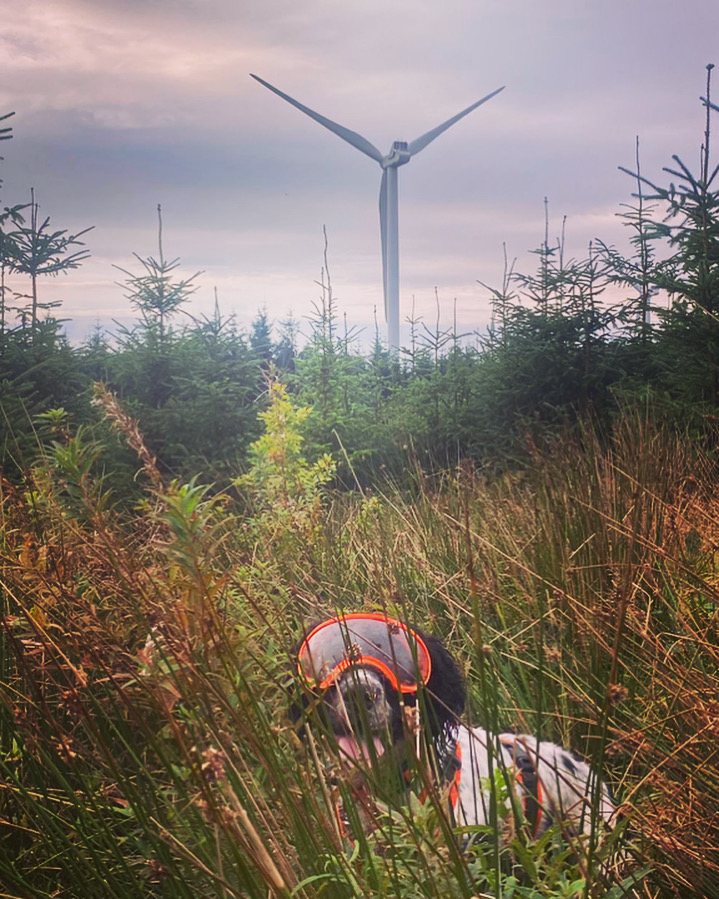
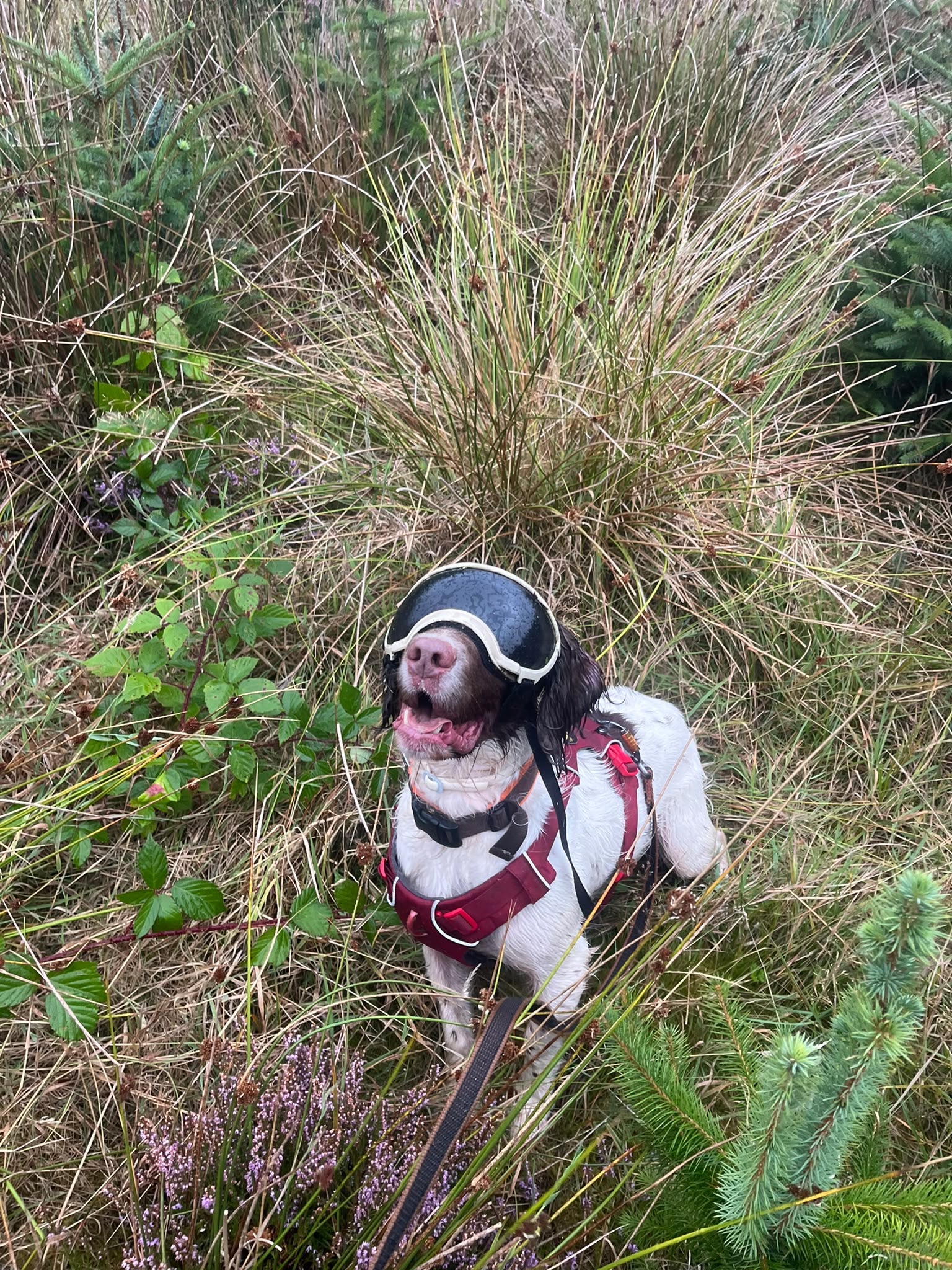
Efficient searches using specialist detection dogs
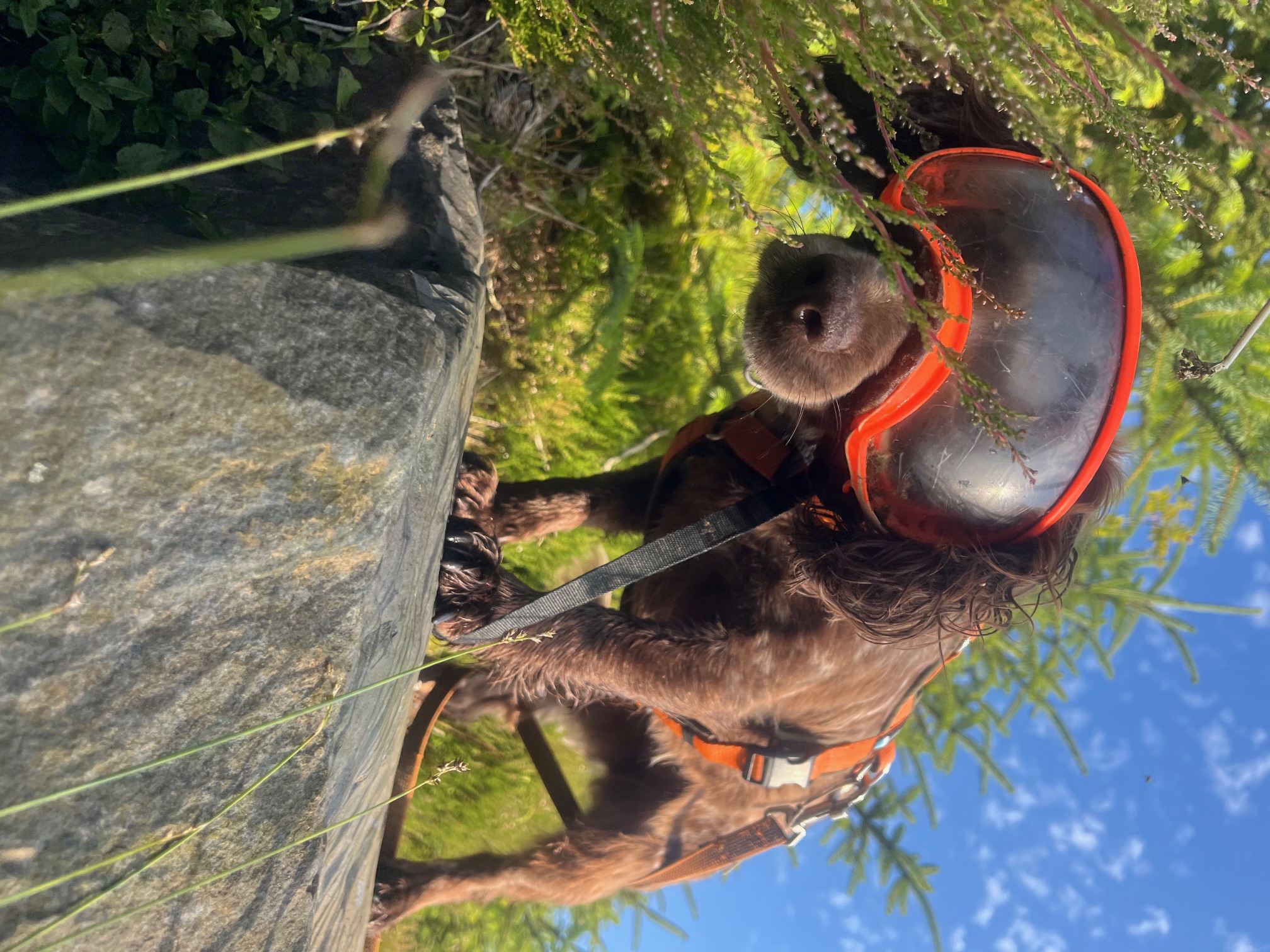
Bat carcasses can be small, concealed and difficult to locate through visual searching alone. Our dogs use scent to locate remains, including within vegetation where human surveyors may struggle to see them.
Our experience shows that our specialist detection dog teams can search more quickly and locate carcasses more reliably than human visual searchers alone. They can effectively cover larger areas, including difficult terrain and dense vegetation where visual searches are restricted.
Our established methodology enables us to search multiple turbines a day, combining efficient coverage with the detection of carcasses that human surveyors may miss. This helps improve carcass recovery and the evidence available to inform mortality monitoring.
We plan searches around the agreed survey area, habitat, vegetation, terrain, weather and scent conditions, alongside each project's requirements.
Mapped search routes and clear records
Reliable monitoring requires clear records of both the carcasses found and the survey effort undertaken.
We record search routes using GPS and provide clients with mapped tracks documenting the routes walked within the agreed search areas. These records help clients assess coverage, identify access restrictions or gaps, and maintain consistency across repeat visits.
Our survey records can include
- Bat and bird carcass locations and photographs.
- Relevant carcass observations and associated field data.
- Turbine references, survey dates and search effort.
- GPS search tracks.
- Habitat, weather and access conditions affecting the search.
We agree data collection requirements with each client so that our field records fit into their wider monitoring programme and reporting.
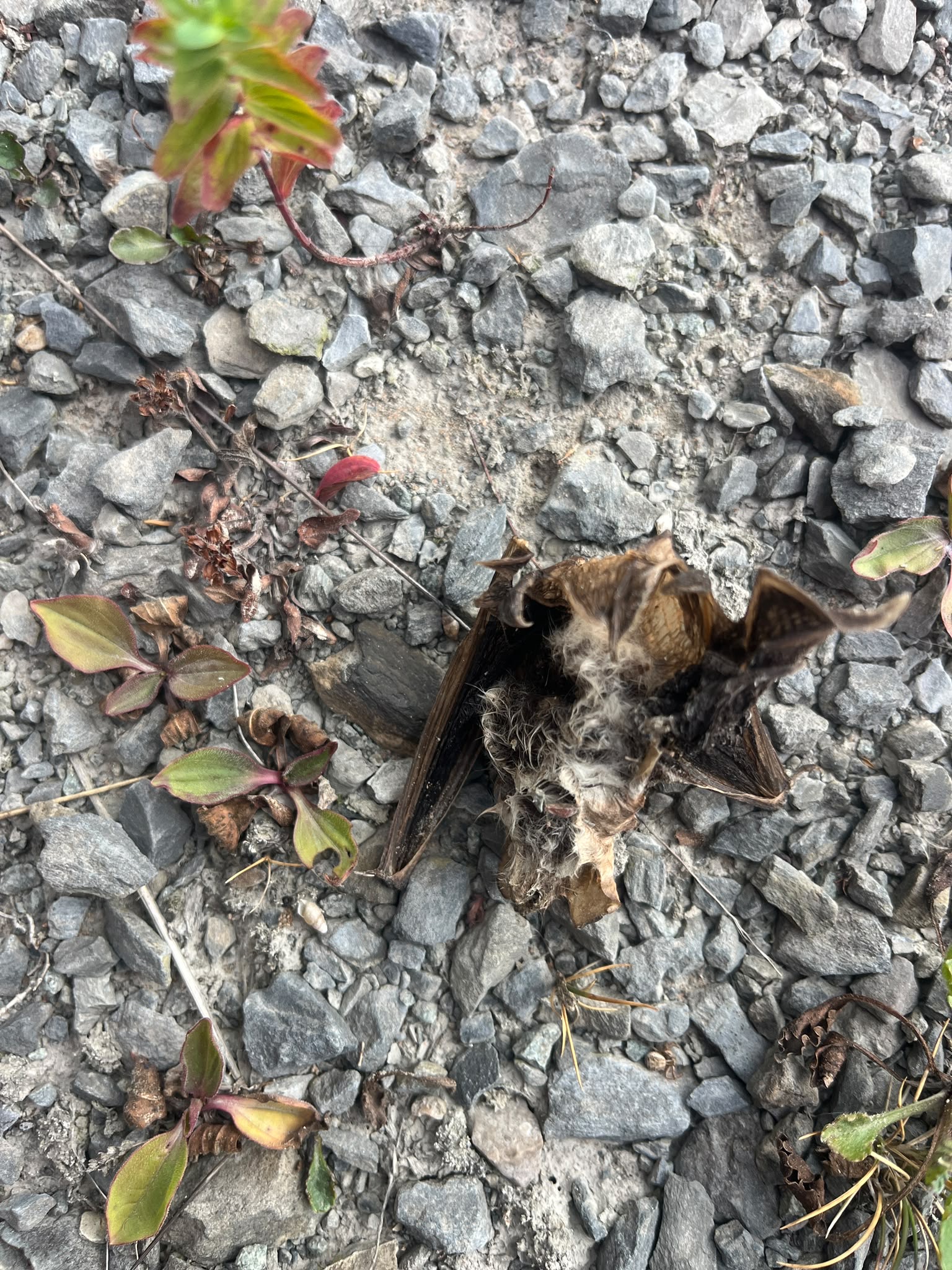
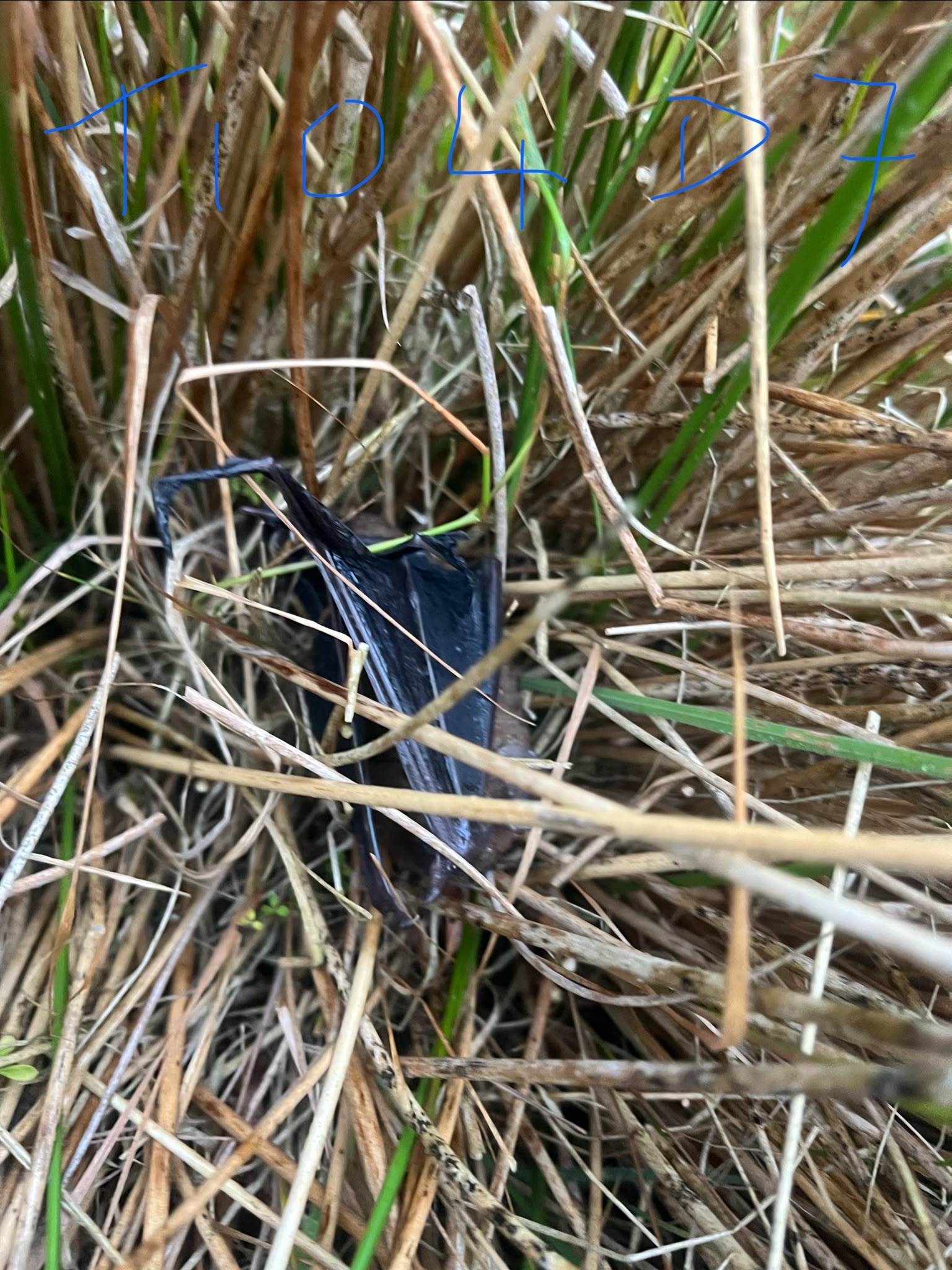
100%
Detection probability during searcher efficiency trials.
Independently assessed dog teams
Our teams consistently achieve 100% detection probability during searcher efficiency trials. These trials are required to support the interpretation of carcass search results within wind farm bat mortality monitoring programmes.
Dog welfare at the centre of every survey
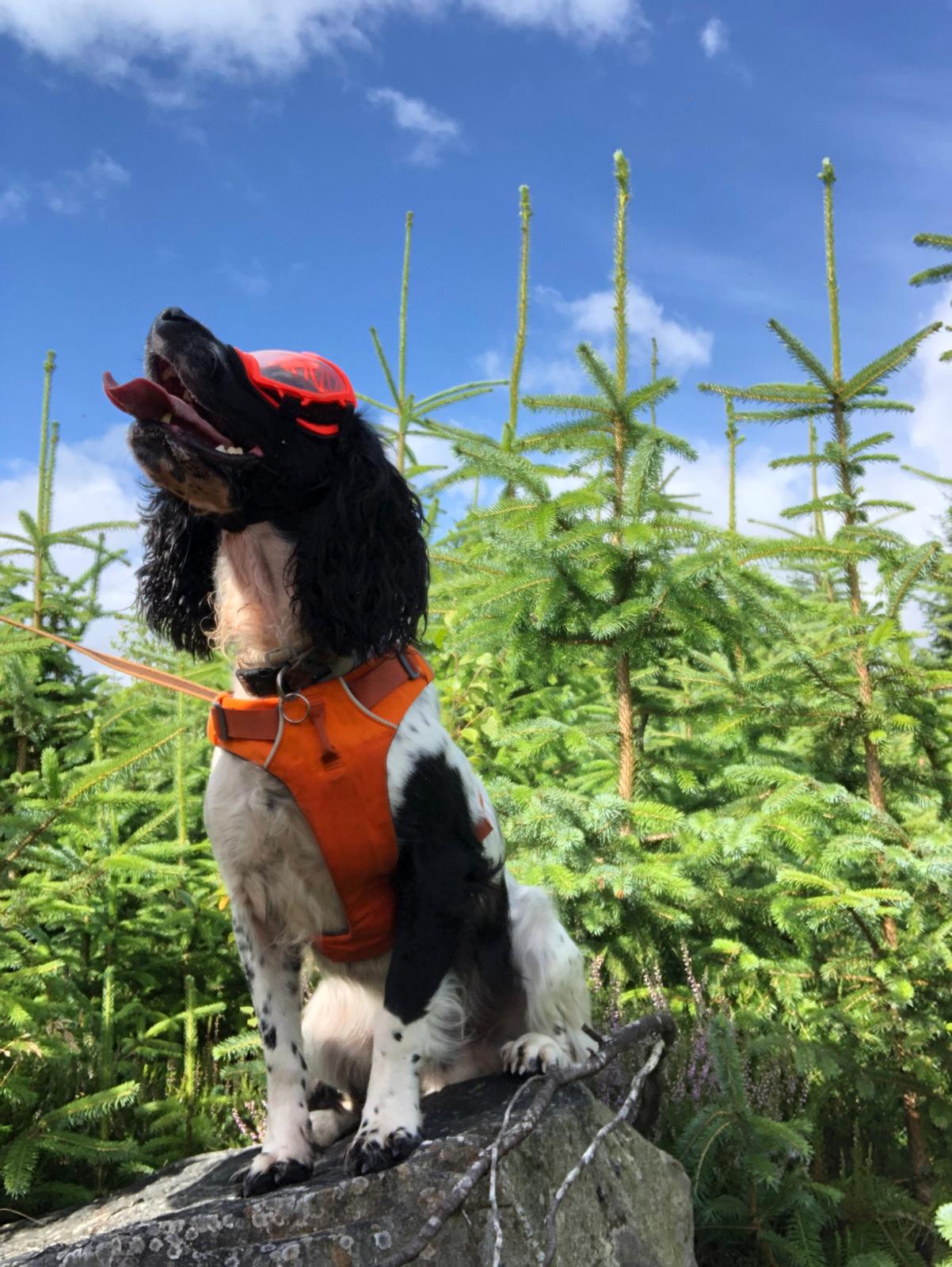
Our dogs work on lead, allowing handlers to manage search coverage and maintain control around turbines, site infrastructure, wildlife and other potential hazards.
We follow a strict dog rotation system, giving each dog appropriate working periods and rest between searches. Having multiple trained dogs allows us to cover multiple turbines efficiently while protecting their welfare and maintaining search performance.
We adapt daily survey plans to temperature, terrain, vegetation, workload and each dog's individual needs. Working efficiently means having experienced handlers, well-managed teams and dogs receiving the rest and care they need.
Supporting your monitoring programme
We work alongside ecological consultancies, wind farm operators and developers to provide specialist carcass searches within wider bat and bird mortality monitoring programmes.
From individual turbines to seasonal surveys across multiple sites, we bring practical experience, independently assessed teams, clear field records and a dog-centred approach to every project.
Planning bat mortality monitoring?
Contact Conservation K9 Consultancy to discuss your site, survey requirements and team availability.